The best time to visit Cappadocia for most travellers is spring or early autumn, especially April, May, September and October. These months usually make walking and open-air sightseeing more comfortable than the hottest part of summer or the coldest part of winter.
There is no perfect month for every trip. Summer gives you long, dry days but stronger heat and demand; winter can bring dramatic scenery and quieter stays but also freezing nights, snow or ice. Balloon flights can be cancelled by wind in any season.
This guide compares each month by weather, walking conditions, crowds and trip style. For the underlying temperature and rainfall figures, see our Cappadocia weather by month.
Best time to visit Cappadocia at a glance
| Period | What to expect | Best for |
|---|---|---|
| March–May | Cool to mild spring; changeable weather | Sightseeing, walks and spring landscapes |
| June–August | Warm to hot days; cooler early mornings | Early starts, long daylight and dry-season travel |
| September–October | Warm to mild days and cooler nights | Balanced first trips, hiking and photography |
| November–February | Cold conditions with possible snow and ice | Winter scenery, quieter trips and cave-hotel time |
May and September are the easiest all-round choices for many travellers. April and October are also strong options if you pack for cooler mornings and accept more variable conditions.
Cappadocia month by month
January
January is firmly winter. The long-term Nevşehir climate record shows an average high of about 4°C and an average low below freezing. Choose a well-heated hotel, allow for snow or ice and keep outdoor plans flexible.
February
February remains cold, with freezing nights still normal in the regional climate record. It can suit a quiet winter trip, but exposed viewpoints and early balloon pickups require serious layers.
March
March is a transition month rather than guaranteed spring. Conditions can move between winter cold and milder afternoons, so plan indoor alternatives and use waterproof footwear.
April
April is one of the first strong months for mixed sightseeing and walking. Average daytime highs rise markedly, but rain and cool mornings remain possible. Bring layers rather than packing only for warm weather.
May
May is one of the best overall months. Days are generally warmer without peak-summer heat, making it easier to combine valleys, open-air sites and early starts. Demand can still be high, so book priority activities ahead.
June
June brings warmer days and long daylight. Begin exposed walks early, carry sun protection and keep a layer for sunrise. It works well for travellers who want summer conditions without choosing July or August.
July
July is hot and comparatively dry in the Nevşehir climate record. Plan long walks in the morning, rest during the hottest part of the day and do not underestimate the contrast between daytime heat and an early balloon pickup.
August
August is similarly hot and dry. It suits travellers comfortable with summer heat, but the best itinerary avoids long exposed hikes around midday.
September
September is another top all-round choice. Heat begins to ease while conditions remain good for outdoor days. It is not automatically quiet, so compare hotels and tours for your exact dates.
October
October brings cooler days and nights but remains attractive for sightseeing and walking. Pack a warmer outer layer and build the itinerary around shorter daylight than in summer.
November
November feels much more wintry. The average regional daytime high drops to around 12°C and nights are cold. It can be rewarding for quieter sightseeing if you bring proper layers.
December
December returns to winter conditions, with average lows below freezing in the long-term Nevşehir record. Snow is possible but never guaranteed for a particular trip.
Best time for hot air balloons
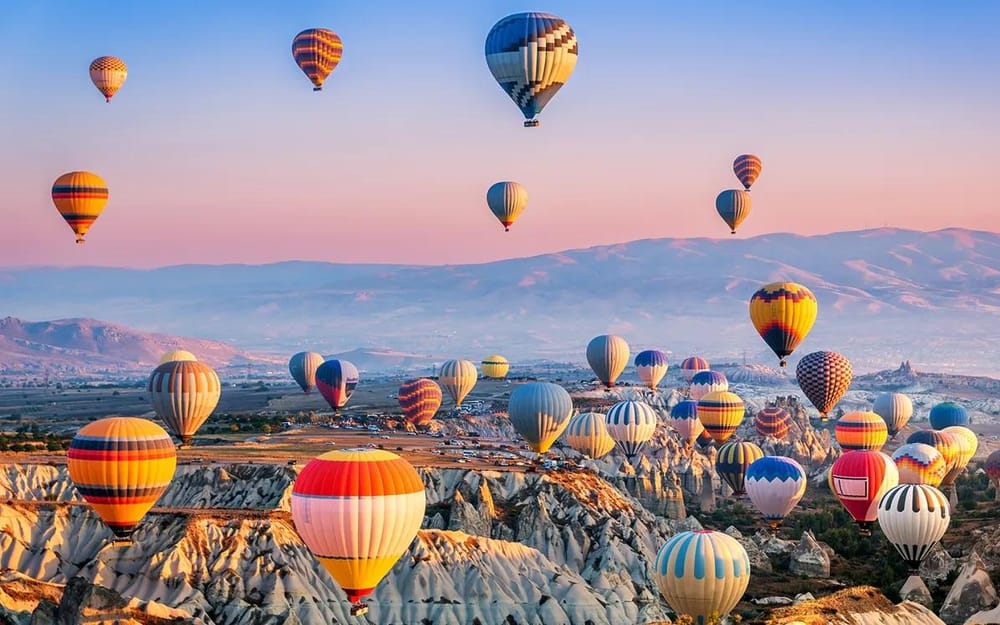
There is no month when balloon flights are guaranteed. Wind, visibility and aviation approval matter on the day. Spring and autumn are popular because they also suit ground sightseeing, not because flights operate every morning.
If flying is the main reason for your trip, stay at least three full days and reserve the first possible morning. Read the Cappadocia hot air balloon guide before choosing a flight.
Best time for hiking and valleys
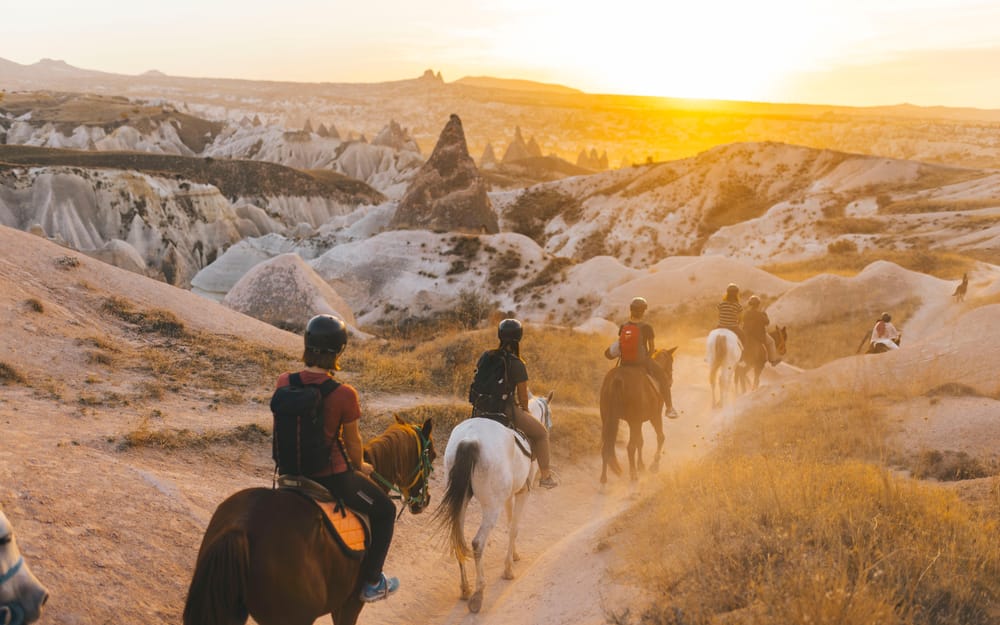
April, May, September and October are the most comfortable starting points for many walkers. Summer hikes should begin early and include enough water and sun protection. Winter routes need local checks for mud, snow, ice and shortened daylight.
Trail conditions vary by route and recent weather. A pleasant temperature does not confirm safe access, so ask locally before committing to a longer walk such as Love Valley.
Best time for fewer crowds or lower prices
Winter outside holiday periods can feel quieter, but weather adds practical trade-offs. Shoulder months can offer a better balance, although April, May, September and October are not secret low season.
There is no guaranteed cheapest month. Hotel and balloon prices respond to demand, remaining capacity, weekends and holidays. Compare several exact date combinations instead of relying on a season label.
Seasonal weather source and planning
The temperature pattern in this guide follows the Turkish State Meteorological Service climate record for Nevşehir, covering 1959–2025. Cappadocia includes different elevations and towns, so use those figures as climate context rather than a forecast.
For the complete monthly temperature and rainfall table, open our Cappadocia weather by month guide.
Useful answers
Cappadocia FAQ
May and September offer a particularly useful balance of warmer weather and comfortable outdoor sightseeing. April and October are also good with extra layers.
Flights can operate throughout the year, but no season guarantees suitable conditions. Stay several days and book an early morning in the trip.
Yes, if you are comfortable with cold weather and flexible plans. Snow can transform the landscape, but it is not guaranteed and ice can affect walks and transport.
July and August have the highest average daytime temperatures in the long-term Nevşehir climate record.
Parts of winter outside holidays can be quieter. Late autumn and early spring may also have fewer visitors than peak periods, but demand varies by exact dates.